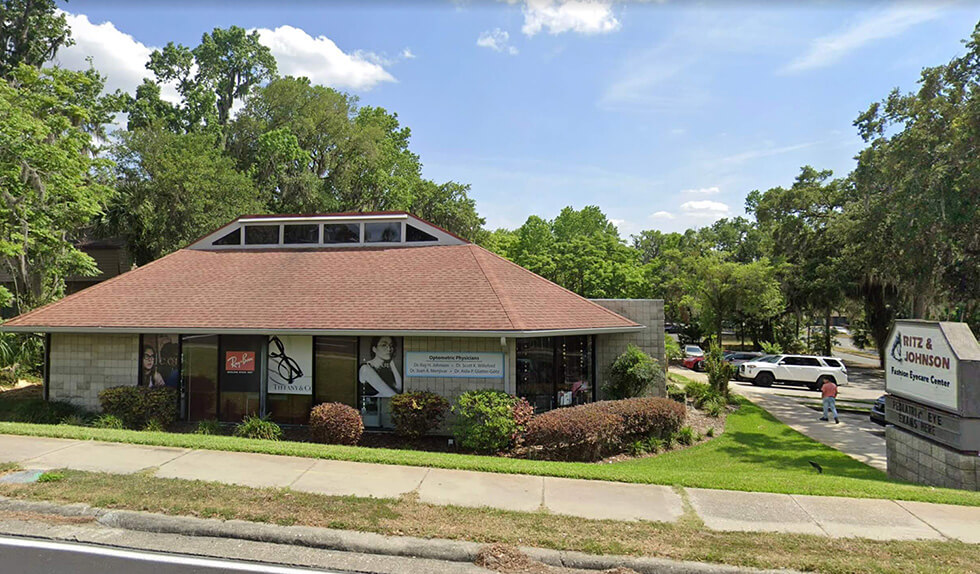

Myopia Management in Ocala, Florida
Helping kids see clearly and reducing their risk of serious eye diseases.
If your child is squinting to see the classroom board, sitting closer to the TV, or struggling to follow distant action during sports, their eyesight may be changing. A stronger glasses prescription can correct blurry vision, but it does not address how myopia may progress as your child grows.
At Ritz and Johnson in Ocala provides myopia treatment for children with nearsightedness. Care combines the vision correction your child needs now with regular measurements and treatment options that may help slow myopia progression as their eyes develop.
What Is Myopia?
Myopia, or nearsightedness, is a vision condition that makes distant objects look blurry while nearby objects usually remain clear. It commonly develops as the eye becomes longer from front to back, causing light to focus in front of the retina instead of directly on it.
As childhood myopia progresses, prescriptions can become stronger. Higher levels of myopia also increase the risk of certain eye conditions later in life.

Signs Myopia May Be Affecting Your Child
Children may not realize that their distance vision has changed, particularly when the change happens gradually. Parents may first notice a problem at school, during sports, or while their child is watching something across the room.
Possible signs of myopia include:
- Squinting at distant objects
- Sitting closer to the TV or classroom board
- Struggling to see distant details during sports
- Holding phones, tablets, or other screens close
- Rubbing the eyes frequently
- Reporting headaches or blurry distance vision
A comprehensive eye exam can show whether nearsightedness is causing these changes. If your child has myopia, the doctor can also discuss whether myopia management may be appropriate for their age, prescription, and vision needs.
How Is Myopia Treated in Ocala, FL?
Regular prescription glasses correct blurry distance vision. Myopia management has an additional goal: slowing the progression of nearsightedness while a child’s eyes are still growing.
At Ritz and Johnson in Ocala, eye doctors measure axial length, the distance from the front to the back of the eye. Tracking axial length alongside prescription changes helps the doctor see how your child’s eyes are growing, not just how much vision correction they need.
Depending on your child’s needs, treatment may involve low-dose atropine eye drops, daytime contact lenses, overnight lenses, or specialized glasses. Learn more about daytime soft contact lenses for myopia, overnight ortho-k lenses, and prescription eye drops for myopia management.
Parents researching ortho-k near Ocala can also review how children use these specially fitted lenses overnight as part of a myopia management plan.
A myopia consultation in Ocala gives you a chance to see how your child’s prescription and eye growth fit together, then discuss the treatment choices available through Treehouse Eyes.

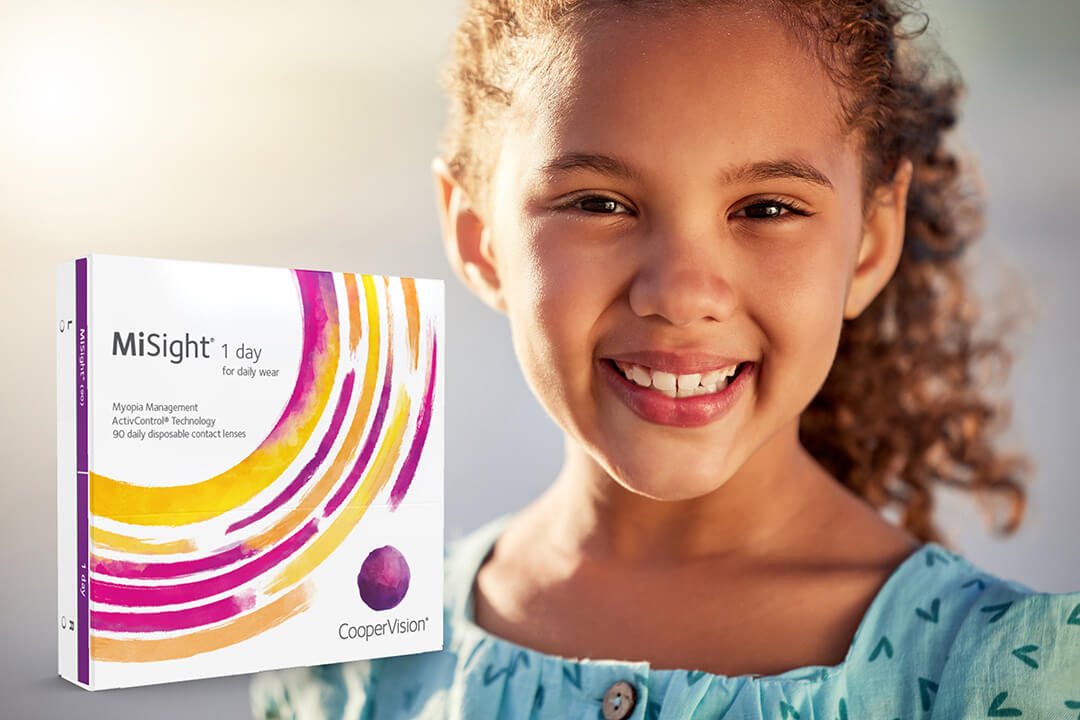

MiSight® 1 Day for Childhood Myopia
MiSight® 1 day is a daily disposable soft contact lens that corrects nearsightedness and slows myopia progression in children.
The FDA indication includes children ages 8 to 12 when treatment begins. These children must meet the lens prescription requirements. MiSight® combines zones that correct distance vision with treatment zones designed to help slow myopia progression.
Children wear a new pair each day, so there are no lenses to clean or store overnight. Before recommending MiSight®, the Ocala team considers your child’s prescription, eye health, eye measurements, daily routine, and readiness for contact lens wear.
Follow-up visits give the doctor a chance to compare new measurements with earlier ones and make sure the treatment remains appropriate for your child.
Stellest® Lenses for Kids Who Prefer Glasses
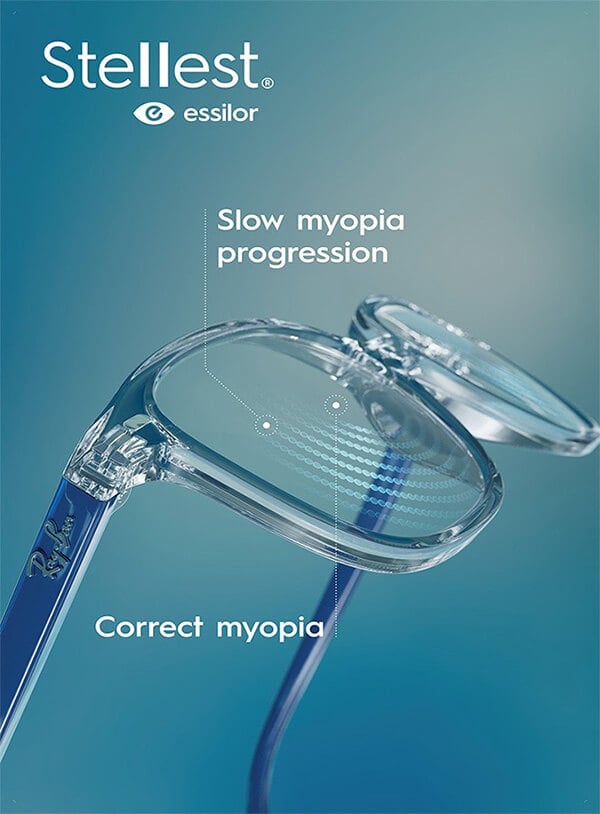
Contact lenses are not the right starting point for every child. Stellest® lenses give eligible children a glasses-based option that corrects their distance vision while also helping slow myopia progression.
The FDA authorized Stellest® lenses for children ages 6 to 12 at the start of treatment.
These children must have healthy eyes and meet the prescription requirements. The lenses combine vision correction with specialized lenslets that create an optical signal designed to help slow myopia progression.
For a child who already wears glasses comfortably, Stellest® Lenses may fit into the day with fewer new habits to learn. They also provide an option for families who want to discuss myopia management without beginning with contact lens wear.
At Treehouse Eyes in Ocala, the care team uses Stellest® lenses as part of an ongoing care plan. Follow-up measurements let the doctor compare changes in both prescription and axial length instead of judging progress from the glasses prescription alone.
Learn more about myopia-control glasses for children.
How Myopia Management Works Over Time
A child’s eyes can continue changing throughout the school years, so myopia management requires ongoing monitoring rather than a single prescription or treatment decision.
At follow-up visits, the Ocala team compares your child’s current vision and axial length with earlier measurements. That pattern helps the doctor judge how the eyes are changing and whether the existing management approach still makes sense.
Treatment decisions can change, too. Age, prescription changes, daily activities, and your child’s comfort with glasses, eye drops, or contact lenses may all affect what works best at different stages.
Can Nearsightedness Be Cured?
No. Current treatments do not cure or reverse myopia, and no treatment can guarantee that progression will stop completely. Myopia management instead aims to slow progression while providing the vision correction your child needs.
Several evidence-based approaches can help manage childhood myopia. The most appropriate option depends on your child’s prescription, eye health, eye growth, age, and practical needs.
Continued measurements help the doctor track changes and decide whether the care plan remains appropriate as your child grows.

What Can Increase a Child’s Myopia Risk?
Family history can increase a child’s likelihood of developing myopia. Other factors associated with childhood myopia include spending a lot of time on close-up tasks and getting less time outdoors.
Once a child already has myopia, a prescription that becomes stronger over time may indicate continued progression and is a reason to discuss myopia management with an eye doctor.
If you are not sure about your child’s risk, take the Treehouse Eyes Myopia Risk Assessment. It gives you a simple starting point for identifying factors to bring up at a myopia consultation.
Myopia Care for Families in Ocala
Treehouse Eyes provides childhood myopia care for families in Ocala and surrounding communities, including Silver Springs, Belleview, and Dunnellon.
If your child is having more trouble seeing at a distance or their prescription keeps changing, talk with the Ocala team about what may be happening. A consultation gives you time to review your child’s vision history, ask how the care team monitors their eye growth, and discuss myopia management options that may fit their needs.