

Myopia Management in Oakland, California
Helping kids see clearly and reducing their risk of serious eye diseases.
When your child starts squinting at the classroom board or needs a stronger glasses prescription again, it is natural to wonder what you can do as their eyes continue to grow.
Glasses can clear blurry distance vision, but standard single-vision glasses do not slow myopia progression. At Treehouse Eyes Oakland, the team at Elsa Pao O.D. provides personalized myopia management based on your child’s prescription, eye growth, daily routine, and individual needs.
What Is Myopia and How Does It Develop?
Myopia, also called nearsightedness, causes distant objects to appear blurry, while nearby objects usually remain clear. It commonly develops when the eye grows too long from front to back, causing light to focus in front of the retina instead of directly on it.
Myopia often begins in childhood and can progress while the eyes are still growing. Genetics can increase a child’s risk. Spending less time outdoors and doing extensive close-up work may also contribute.
Standard glasses and contact lenses correct blurry vision. Myopia management goes further by using treatments designed to slow the progression of nearsightedness as a child’s eyes grow.
Current treatments do not cure or reverse myopia. Children generally still need some form of vision correction, even when treatment is helping slow progression.
Parents looking for more information can also read about myopia in children and why changes in a child’s prescription deserve ongoing attention.
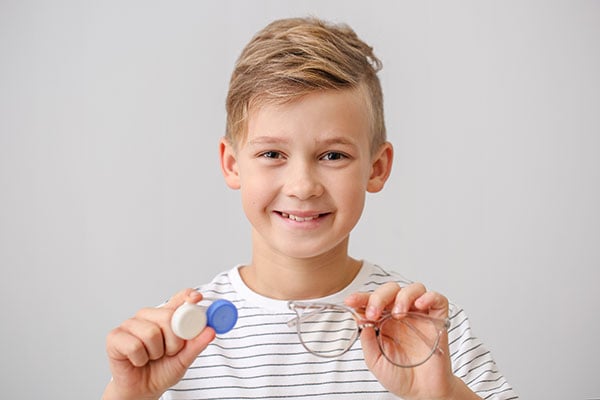

Signs Your Child May Have Myopia
Children do not always realize their distance vision is blurry. When the change happens gradually, they may assume everyone sees the same way they do.
Common signs of childhood myopia include:
- Squinting to see distant objects
- Sitting close to screens or the classroom board
- Holding books or devices unusually close
- Complaining about blurry distance vision
- Frequent headaches or tired eyes
- Rubbing the eyes often
- Having difficulty seeing clearly during sports or other distance activities
An eye examination can determine whether your child is nearsighted and how much vision correction they need. If their prescription has become stronger from year to year, it may also be time to ask whether myopia management is appropriate.
How Is Myopia Treated in Children?
Treatment can do more than provide a stronger prescription when vision changes. Myopia-control treatments provide clear vision while helping slow further progression.
No single option is right for every child. Age, prescription, eye measurements, comfort with contact lenses, and daily activities can all influence the treatment plan.
Treehouse Eyes Oakland offers several options for childhood myopia management, including MiSight® 1 day contact lenses, orthokeratology, Stellest® glasses, and low-dose atropine.
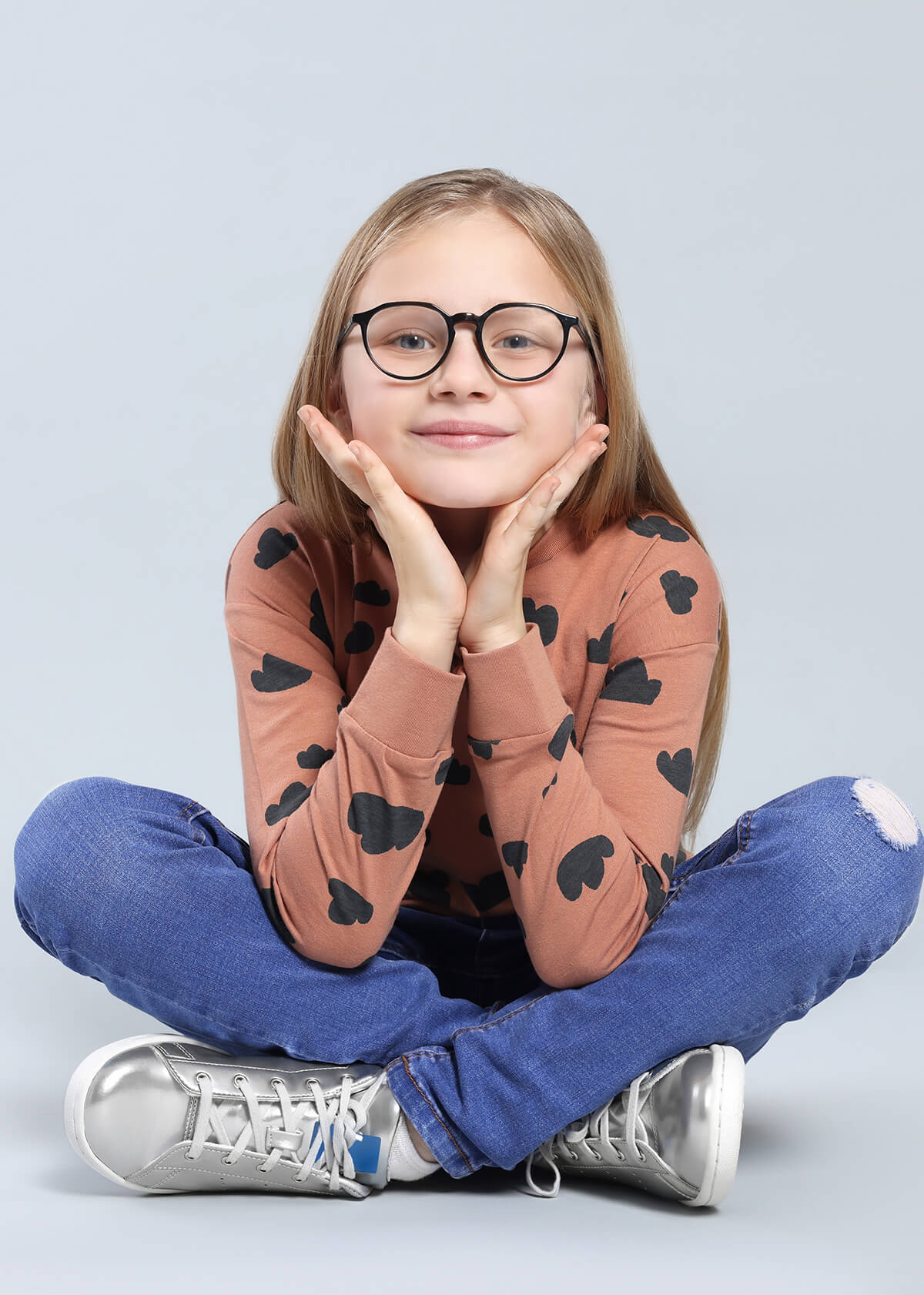
MiSight® 1 Day Contact Lenses for Children in Oakland
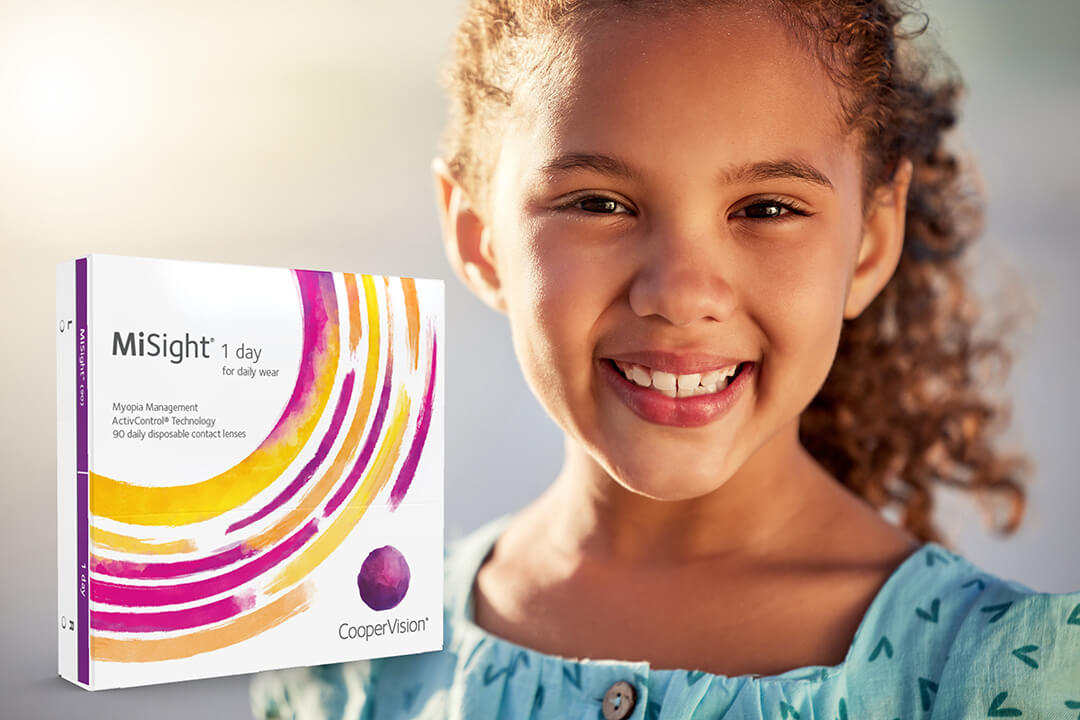
MiSight® 1 day lenses are daily disposable soft contact lenses designed to correct vision while helping slow myopia progression in children.
Their specialized optical design provides clear distance vision while helping manage the eye growth associated with myopia. MiSight® 1 day is FDA-approved for children who begin treatment between ages 8 and 12 and meet the prescribing criteria.
Children discard the lenses after each use, so there is no nightly cleaning or storage routine. MiSight® may be appropriate for children who are comfortable with daytime contacts and can follow proper lens-handling instructions.
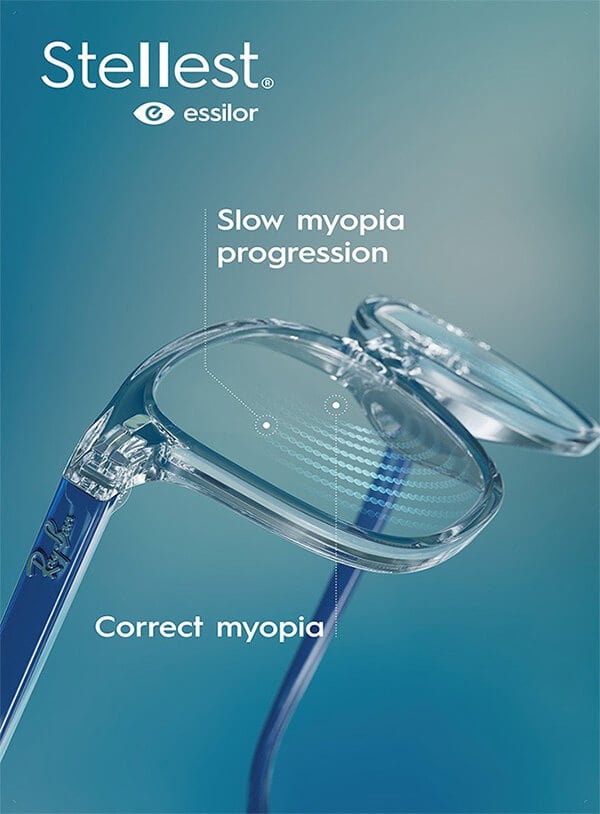
Stellest® Myopia-Control Glasses
For children who prefer glasses, Stellest® lenses provide clear vision while helping slow childhood myopia progression.
Their specialized optical design differs from conventional single-vision glasses. Stellest® lenses are FDA-authorized for children who begin treatment between ages 6 and 12 and meet the prescribing criteria.
They can provide a familiar option for younger children or those who are not ready or interested in wearing contact lenses. Regular follow-up helps the doctor track prescription changes and eye growth.
Orthokeratology for Childhood Myopia
Orthokeratology, commonly called ortho-k, uses custom-fitted gas-permeable contact lenses that children wear overnight and remove in the morning.
While your child sleeps, the lenses temporarily reshape the cornea, the clear front surface of the eye. This can provide clear daytime vision without glasses or daytime contact lenses. Ortho-k can also help slow myopia progression in children.
Ortho-k does not permanently reshape the eye or cure myopia. Its vision-correcting effect is temporary, so children need to follow the prescribed wearing schedule.
Because the lenses are custom-fitted, treatment requires precise measurements and regular follow-up visits. The doctor monitors vision, lens fit, eye health, and myopia progression, while proper cleaning and safe lens wear remain an important part of treatment.
For children who play sports or prefer not to wear glasses or contacts during the day, ortho-k may be worth discussing. The doctor can determine whether your child’s prescription, eye health, and other factors make it an appropriate option.
Low-Dose Atropine Eye Drops
Low-dose atropine is a prescription eye drop that may help slow myopia progression in some children.
Using atropine for childhood myopia management is off-label in the United States. Your child’s doctor can explain what that means, discuss the potential benefits and considerations, and determine whether atropine may fit their management plan.
For some children, eye drops may be the primary option. Others may be better suited to a different approach.

How We Track Myopia as Your Child Grows
Myopia management is an ongoing process rather than a one-time prescription.
At Treehouse Eyes Oakland, the team can measure axial length, the distance from the front to the back of the eye. Because myopia progression often occurs as the eye grows longer, these measurements help the eye doctor monitor changes that a glasses prescription alone may not show.
Regular follow-up visits allow the eye doctor to compare eye growth and prescription changes over time and determine whether the current plan remains appropriate.
Can You Keep Myopia From Getting Worse?
Parents often ask how to prevent myopia or keep their child’s prescription from becoming stronger. No guaranteed method prevents every case, and no method removes or reverses existing nearsightedness.
For children who already have myopia, treatment focuses on helping slow further progression. Depending on the child, a management plan may include:
- Specialized myopia-control glasses
- Myopia-control contact lenses
- Overnight ortho-k lenses
- Low-dose atropine eye drops
- Prescription and axial-length monitoring
- Healthy visual habits at home and school
Spending more time outdoors during childhood has been associated with a lower risk of developing myopia. Regular breaks during prolonged reading, homework, and screen use can also support healthy visual habits.
The right approach depends on your child’s age, prescription, eye growth, family history, and daily routine.
Is Your Child at Risk for Myopia?
You do not need to wait until your child complains about blurry vision to pay attention to myopia risk. Family history, changing prescriptions, school-age vision changes, and visual habits can all be reasons to take a closer look.
Treehouse Eyes offers a Myopia Risk Assessment to help parents learn more about factors associated with childhood nearsightedness.
If your child has already been diagnosed with myopia or their glasses prescription keeps getting stronger, a consultation can help you understand the available management options and what may be appropriate for their eyes.
Why Does Slowing Myopia Progression Matter?
Myopia affects more than the number on your child’s glasses prescription.
Higher levels of myopia increase the lifetime risk of certain eye conditions. Helping slow progression during childhood may reduce the likelihood that a child reaches higher levels of myopia later.
Myopia management cannot guarantee a particular final prescription or eliminate future eye-health risks, and children respond differently to treatment.
The goal is to look beyond today’s blurry vision and monitor how your child’s eyes change as they grow.
Myopia Care for Oakland Families
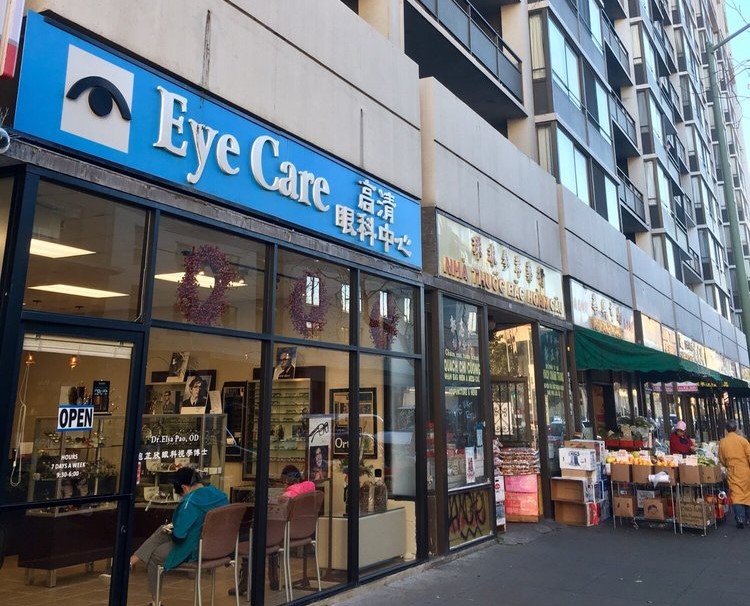
Treehouse Eyes Oakland provides myopia care for kids through Elsa Pao O.D. at 405 9th Street in Oakland, California. The location also serves families from nearby communities, including Berkeley, Alameda, and San Leandro.
If you are looking for myopia treatment for your child in Oakland, the team can evaluate their prescription and eye growth before discussing options that may fit their needs and routine.
The team can walk you through the treatment options offered in Oakland and explain how ongoing monitoring fits into your child’s plan. A consultation gives you the chance to understand what your child’s measurements mean and which approach may help slow progression as their eyes grow.


