

Myopia Management in Lawrenceville, Georgia
Helping kids see clearly and reducing their risk of serious eye diseases.
Help slow your child's worsening nearsightedness with personalized myopia treatment at Treehouse Eyes in Lawrenceville.
Another year, another stronger glasses prescription? If your child's nearsightedness keeps getting worse, myopia management may help slow those changes as they grow.
At Wood Eyecare in Lawrenceville, we offer non-surgical myopia treatments to correct blurry vision and help slow the progression of nearsightedness. Our team works with your family to choose an appropriate treatment and monitor your child's eye health over time.
What Is Myopia, and Why Does It Get Worse?
Myopia, or nearsightedness, makes distant objects look blurry while nearby things usually remain clear. It often develops when a child's eye grows too long, causing light to focus in front of the retina.
As your child's eyes grow, their prescription may get stronger. Higher levels of myopia can also increase the risk of eye conditions such as retinal detachment and glaucoma later in life.
Myopia management aims to slow that progression. At Wood Eyecare, treatment options include MiSight® 1 day contact lenses, overnight orthokeratology (ortho-k) lenses, low-dose atropine eye drops, and Stellest® glasses.
Each treatment works differently. Our doctors can help you understand which option may suit your child's age, prescription, and daily activities.

What Are the Signs of Myopia in Children?
Children may struggle to see distant objects before they know something is wrong. Watch for these common signs:
- Squinting to read the classroom board or see distant objects
- Sitting unusually close to the television or holding screens near their face
- Having trouble seeing clearly during sports or outdoor activities
- Rubbing their eyes often or complaining about headaches
These symptoms can have several causes. A children's eye exam can help determine whether your child has myopia and whether they could benefit from myopia management.
How Can You Slow Myopia Progression in Children?
Glasses and contact lenses can correct blurry vision caused by myopia. Myopia management goes further by using specially designed lenses, contact lenses, or prescribed eye drops to help slow the progression of nearsightedness. Treatment cannot reverse myopia, and results vary from child to child.
At Wood Eyecare, our Treehouse Eyes doctors recommend myopia management options based on each child's vision, eye health, and daily routine. We'll help you understand the benefits and limitations of each approach before choosing a plan.
Our doctors also measure axial length, which is the length of the eye from front to back. Tracking this measurement helps them see how your child's eyes are growing and assess how they respond to treatment.
Your child's care begins with an evaluation of their prescription history and eye health. We'll explain the available treatments, answer your questions, and recommend a follow-up plan to monitor their progress.
If you're concerned about your child's worsening nearsightedness, a myopia consultation can help you understand which treatment options may be right for them.
MiSight® 1 Day Contact Lenses for Children in Lawrenceville
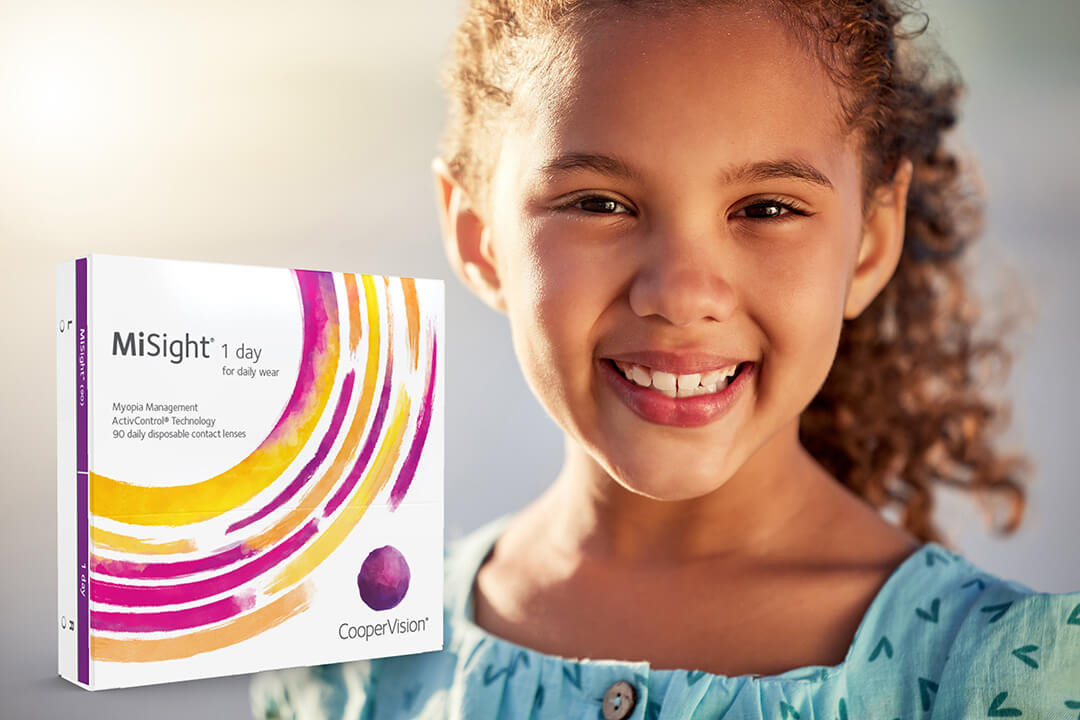
Some kids enjoy the freedom of contact lenses, especially during sports and active play. MiSight® 1 day lenses can give eligible children clear distance vision while helping slow myopia progression.
Made by CooperVision, MiSight® 1 day contact lenses are FDA-approved for myopia control in eligible children ages 8 to 12 when treatment begins, subject to the product's prescribing criteria.
MiSight® lenses use ActivControl® technology to correct blurry distance vision and help slow the eye growth that causes myopia to progress.
Children wear a fresh pair each day and discard them after use. You do not need to clean or store the lenses overnight, making daily care simpler for families.
At Wood Eyecare, MiSight® treatment includes an assessment of your child's vision and eye health. Our doctors use axial-length measurements to track eye growth, while follow-up visits help monitor treatment progress.
If your child is interested in contact lenses, ask our Lawrenceville team if MiSight® could be a suitable option.
Stellest® Specialty Lenses
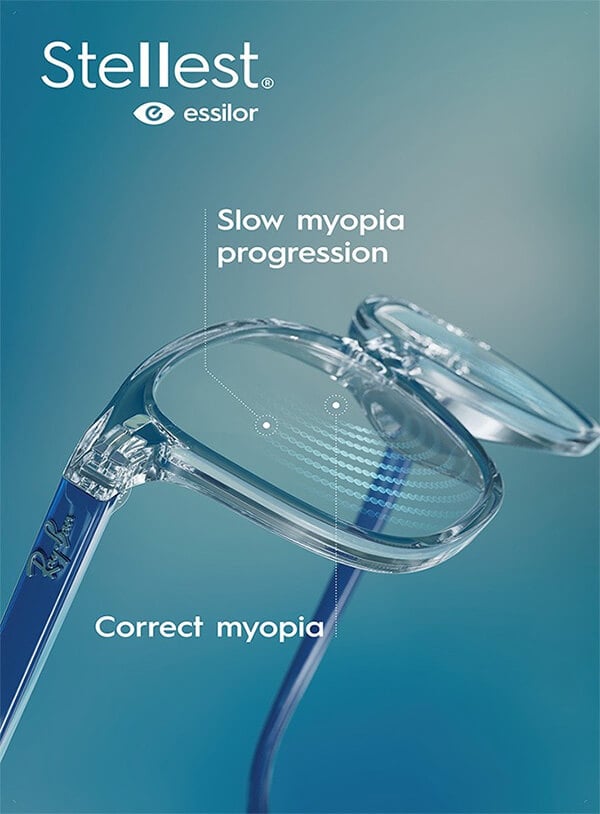
Glasses can do more than help your child see the board at school. Stellest® lenses correct nearsightedness while helping slow its progression, making them an option for children who prefer wearing glasses.
Stellest® lenses are FDA-authorized for myopia control in eligible children. Their specially designed lenslets help slow the eye growth that can make nearsightedness worse.
Stellest® glasses may suit children who aren't ready for contact lenses or families who prefer a glasses-based approach.
At Wood Eyecare, our doctors consider your child's prescription, eye health, and daily routine before recommending treatment. Axial-length measurements and regular follow-up visits help them track how your child's eyes respond.
If you're considering myopia control glasses in Lawrenceville, our team can explain how Stellest® lenses work and whether they may be right for your child.
What to Expect From Your Child's Myopia Treatment
If you're looking for a pediatric eye doctor in Lawrenceville because your child's prescription keeps changing, Wood Eyecare can help you understand the available treatment options.
Your child's evaluation includes a review of their prescription history, eye health, and eye growth. Our doctors use axial-length measurements to help assess how their nearsightedness is progressing.
We'll explain the findings, discuss suitable treatments, and recommend a plan based on your child's needs. Follow-up visits help us monitor their progress and decide whether we need to make adjustments.
Does Myopia Treatment Really Work?
Research shows that certain myopia treatments can slow the progression of nearsightedness in children. These include myopia-control contact lenses, specially designed glasses, and low-dose atropine eye drops.
The amount of slowing varies by treatment and by child. Age, prescription, and consistent treatment use can all affect the results.
At Treehouse Eyes, we use clinical research to guide treatment recommendations and monitor changes in your child's eyes over time. Our Lawrenceville team can explain what the evidence means for your child's recommended treatment.

Is My Child at Risk of Developing Myopia?
Myopia often runs in families. Children with nearsighted parents may be at greater risk of developing it themselves.
Spending less time outdoors and doing frequent close-up activities may increase the risk of myopia. More outdoor play may help reduce the chance of developing nearsightedness, although it cannot guarantee prevention. For children who already have myopia, treatment may help slow its progression.
If your child struggles to see distant objects or needs stronger glasses each year, our free Myopia Risk Assessment can help you learn about common risk factors.
The assessment offers a starting point for understanding your child's risk. They need an eye exam to check their vision and determine whether treatment is appropriate.
Myopia Care for Kids in Lawrenceville, GA
Your child's eyesight plays a part in everyday moments, from reading the classroom board to following the action during sports.
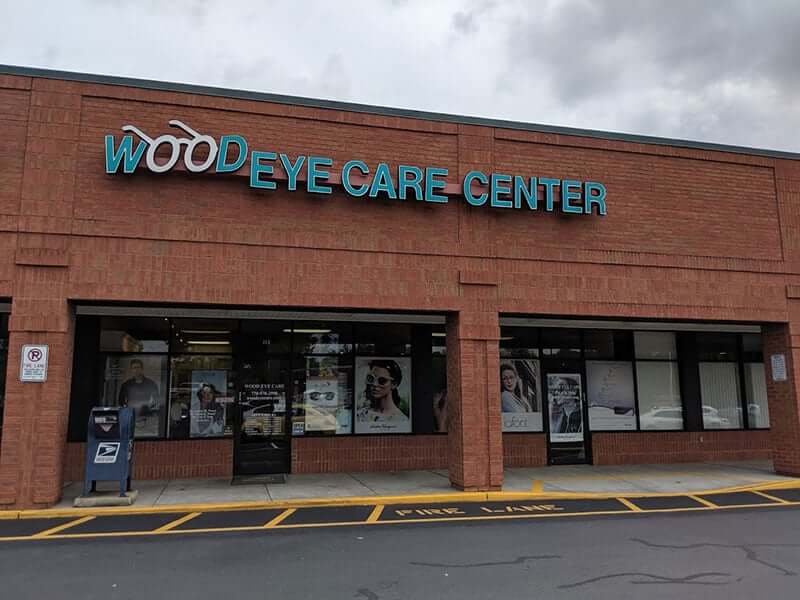
Wood Eyecare provides children's myopia management in Lawrenceville and welcomes families from nearby communities such as Dacula, Snellville, and Buford.
Our Riverside Parkway location offers Treehouse Eyes treatment options and ongoing monitoring close to home.
If your child's glasses prescription keeps getting stronger, our Lawrenceville team can help you understand the available myopia treatments. Schedule a free consultation to discuss the next steps for your child.
What Our Patients Say:


Where to Find Us
Treehouse Eyes - Lawrenceville
