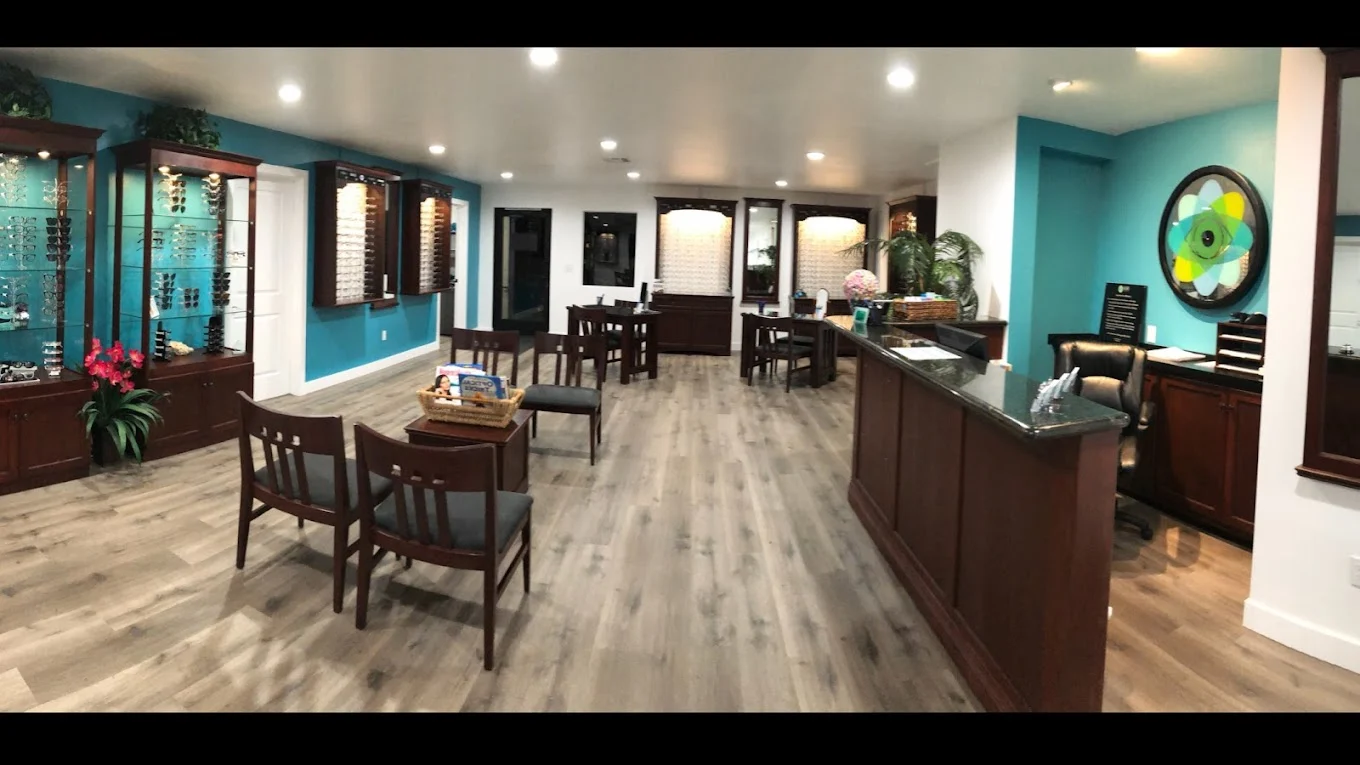

Myopia Management in Fullerton, California
Helping kids see clearly and reducing their risk of serious eye diseases.
When your child starts squinting at the board, moving closer to screens, or needing stronger glasses more often, it is worth looking beyond the next prescription update. Myopia management in children focuses on slowing the progression of nearsightedness while your child’s eyes are still growing.
Treehouse Eyes Fullerton at Allred Family Eyecare provides myopia management in Fullerton, CA, with treatment plans based on your child’s prescription, eye measurements, age, and day-to-day needs. We combine treatment choices with regular monitoring so you can better understand how your child’s eyes are changing over time.
What Is Myopia, and How Can It Be Managed?
Myopia, or nearsightedness, causes distant objects to look blurry. In many children, it progresses as the eye grows longer. Higher levels of nearsightedness increase the risk of certain eye health problems later in life, so monitoring its progression matters as a child grows.
Our Fullerton myopia treatment options include MiSight® 1 day contact lenses, Stellest® lenses, ortho-k, and low-dose atropine. The right approach depends on your child’s prescription, eye measurements, age, daily routine, and comfort with glasses, contact lenses, or eye drops. Your doctor will review those factors before recommending an option.
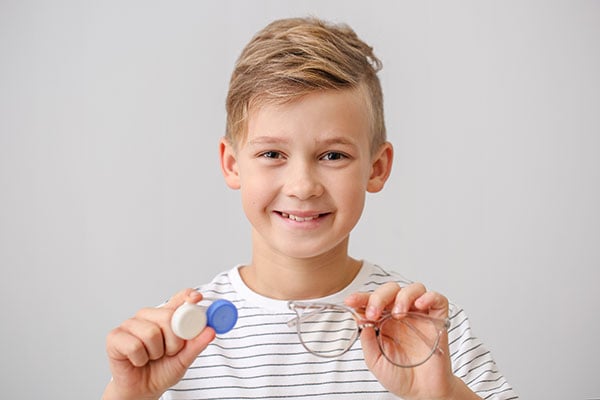

How Can You Tell if Your Child Has Myopia?
Changes in distance vision can be easy for children to overlook. Signs that may warrant an eye exam include:
- Squinting to see distant objects
- Sitting closer to the TV, screens, or classroom board
- Saying that faraway objects look blurry
- Frequent eye rubbing or headaches
If these signs sound familiar, comprehensive eye exams can determine whether nearsightedness is part of the problem and whether myopia management may be appropriate.
What Does a Myopia Doctor Look For?
A stronger glasses prescription can make distance vision clear again, but it does not address how quickly myopia is progressing. A myopia evaluation also looks at how the eye itself is changing as your child grows.
One important measurement is axial length, the distance from the front to the back of the eye. Tracking axial length over time helps your doctor monitor physical eye growth alongside changes in your child’s prescription.
Depending on your child’s needs, treatment may include daytime soft contact lenses, myopia-management glasses, ortho-k lenses worn overnight, or low-dose atropine eye drops. Ortho-k uses specially fitted contact lenses worn during sleep, while low-dose atropine offers an eye-drop approach. Regular follow-up allows us to compare measurements and decide whether the current approach remains appropriate.
For parents searching for a myopia doctor in Fullerton, CA, ongoing measurements help your doctor see how their child’s nearsightedness is changing and evaluate the treatment plan over time.



Could MiSight® 1 Day Be Right for Your Child?
MiSight® 1 day combines daily vision correction with a soft contact lens design developed to help slow childhood myopia progression. It is FDA-approved for eligible children who are ages 8 to 12 when treatment begins.
Children wear a fresh pair each day and discard the lenses after use, so there is no overnight cleaning or storage. For children who are ready to handle contact lenses, that routine may fit comfortably into school, sports, and other daily activities.
Follow-up visits allow us to check your child’s vision, eye health, and changes in their prescription while they use MiSight® 1 day. A consultation can help determine whether the lenses suit your child’s eyes, maturity, and routine.
Could Stellest® Lenses Help Manage Your Child’s Myopia?
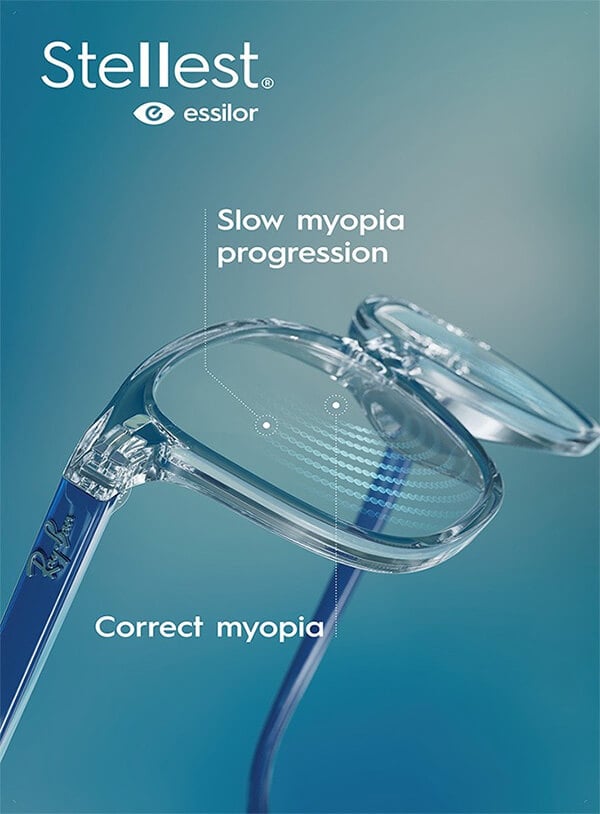
Stellest® offers a glasses-based approach to childhood myopia management. The lenses provide clear distance vision while using specialized lenslet technology designed to help slow progression.
They may suit children who prefer eyeglasses or are not ready for contact lenses.
Regular follow-up helps us track how your child’s vision and prescription change while they wear Stellest® lenses.
What Should You Expect From Myopia Management?
Managing childhood nearsightedness requires follow-up because the eyes can continue changing as a child grows. At Allred Family Eyecare, our Treehouse Eyes program follows your child’s prescription and eye measurements over time, with treatment recommendations based on the findings from each visit.
Axial-length measurements add another way to track eye growth rather than relying on prescription changes alone. Those measurements help your doctor evaluate progress and discuss whether the current treatment still fits your child’s needs.
For families seeking pediatric eye care in Fullerton, CA, a consultation can explain the process, treatment options, and the type of follow-up your child may need.
Can Myopia Be Cured or Reversed?
Current myopia treatments aim to slow the rate of progression. They do not reverse existing myopia or guarantee that a child’s prescription or eye growth will stop changing.
That is why treatment and monitoring work together. Your doctor can compare measurements over time, explain what they mean, and discuss adjustments when the findings suggest a different approach may be appropriate.

Is My Child at Risk of Myopia?
Family history, blurry distance vision, and changes in a child’s prescription can signal that it is worth taking a closer look at their myopia risk.
The Myopia Risk Assessment can help you identify factors to discuss with an eye doctor. If you are concerned about your child’s worsening nearsightedness, you can also schedule a free consultation to discuss their vision and possible next steps.
Looking for Myopia Treatment in Fullerton?
Treehouse Eyes Fullerton at Allred Family Eyecare provides myopia treatment in Fullerton, CA, for children and families from Fullerton and nearby communities, including Brea, Placentia, and La Habra.
If your child’s prescription keeps changing, a free consultation gives you a chance to ask about MiSight® 1 day, Stellest®, ortho-k, low-dose atropine, axial length monitoring, and which myopia management options may fit your child’s needs.