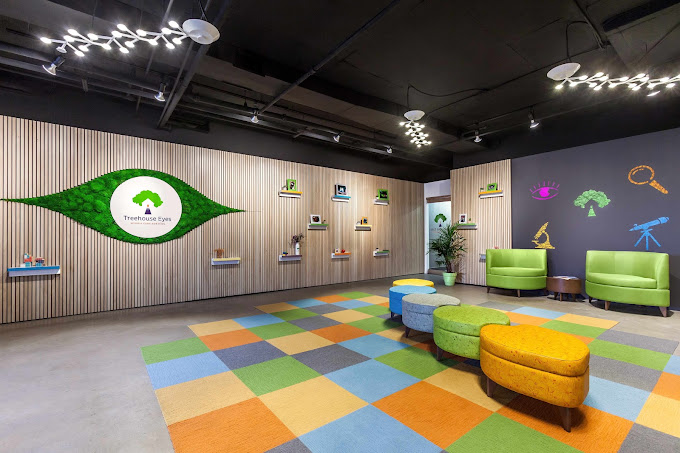

Myopia Management in Bethesda, Maryland
Helping kids see clearly and lowering their lifetime risk of sight-threatening eye disease.
Has your child's glasses prescription been getting stronger? Are they squinting to see the classroom board or struggling to follow the action during sports?
At Treehouse Eyes in Bethesda, MD, we provide myopia treatment for children that aims to slow worsening nearsightedness. We help parents understand their child's vision, choose from available treatments, and keep track of changes as their child grows.
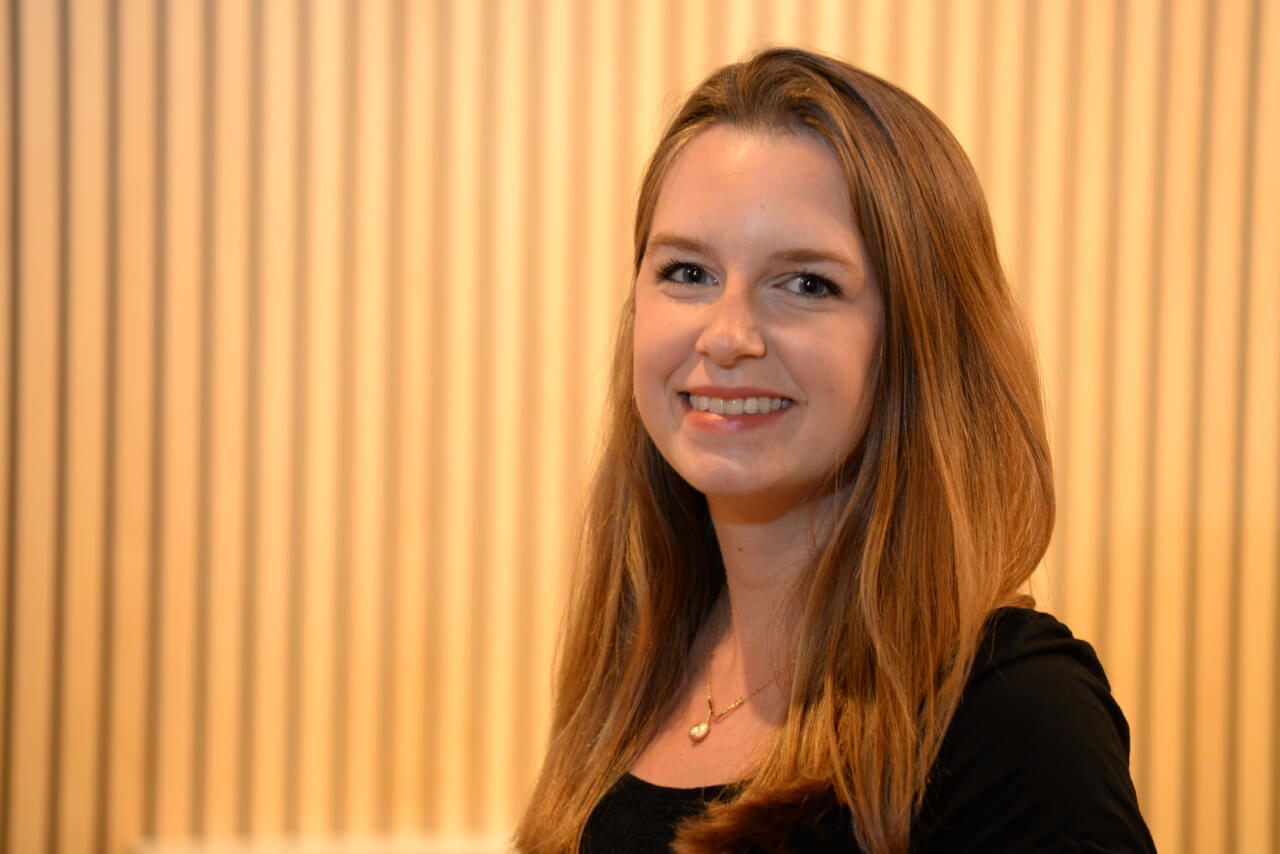
Dr. Dana Reinhardt, O.D.
Dr. Reinhardt received her Doctor of Optometry from the Pennsylvania College of Optometry. As an optometrist dedicated to myopia management, I believe taking a proactive approach to children's eye health is crucial to ensuring a healthy and clear future. Clear vision is essential to a child's development, education, and social confidence. Every child's healthcare needs are different, so working as a team with the entire family to find the best treatment match is something I am passionate about. There is nothing more rewarding than watching a child excel, and move on to achieve amazing things.
What Is Myopia, and How Is It Treated?
Myopia, or nearsightedness, makes distant objects appear blurry. It usually develops when the eye grows too long, causing light to focus in front of the retina instead of directly on it.
Myopia often begins in childhood and can worsen as children grow. Higher levels of nearsightedness increase the risk of retinal detachment, glaucoma, and other eye conditions later in life.
Regular glasses correct blurry distance vision. Myopia management goes further by aiming to slow how quickly nearsightedness progresses. Our Bethesda office offers several options:
- MiSight® 1 day contact lenses: Daily disposable soft lenses designed to correct distance vision and slow myopia progression in eligible children.
- Orthokeratology (ortho-k): Custom contact lenses worn overnight to temporarily reshape the cornea and provide clearer daytime vision without glasses.
- Daytime multifocal contact lenses: Specially designed soft lenses that correct vision and may help slow worsening nearsightedness.
- Low-dose atropine eye drops: Prescription drops that help slow the rate of myopia progression.
- Stellest® lenses: Specially designed glasses that correct blurry vision while helping slow excessive eye growth.
Your child's treatment plan depends on their age, prescription, eye health, and daily activities. During follow-up visits, the eye doctor checks progress and decides whether to adjust treatment.
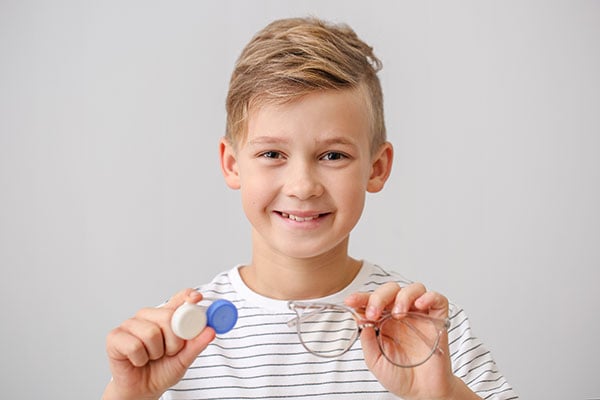

What Are the Signs of Myopia in Children?
Children don't always notice when their distance vision becomes blurry. Some common signs include:
- Squinting to see objects farther away
- Moving closer to the television or holding screens close
- Having trouble seeing the classroom board or following sports from a distance
- Frequent headaches or eye rubbing
These symptoms can have different causes. An eye exam can show whether your child has myopia and help you understand what to do next.
How Can Myopia Treatment Help Children in Bethesda?
Myopia management aims to slow the changes that lead to increasingly strong prescriptions. At Treehouse Eyes in Bethesda, our doctors use detailed eye measurements to guide treatment decisions and monitor progress.
Myopia care for kids starts with a careful assessment. We review prescription changes, examine eye health, and measure axial length, the distance from the front to the back of the eye. This helps us track eye growth over time.
Our team considers your child's vision, daily routine, and ability to follow treatment instructions before recommending a plan.
If you're looking for a kids' eye doctor in Bethesda, MD, a consultation lets you discuss your child's prescription, ask questions, and learn which treatments may be suitable.
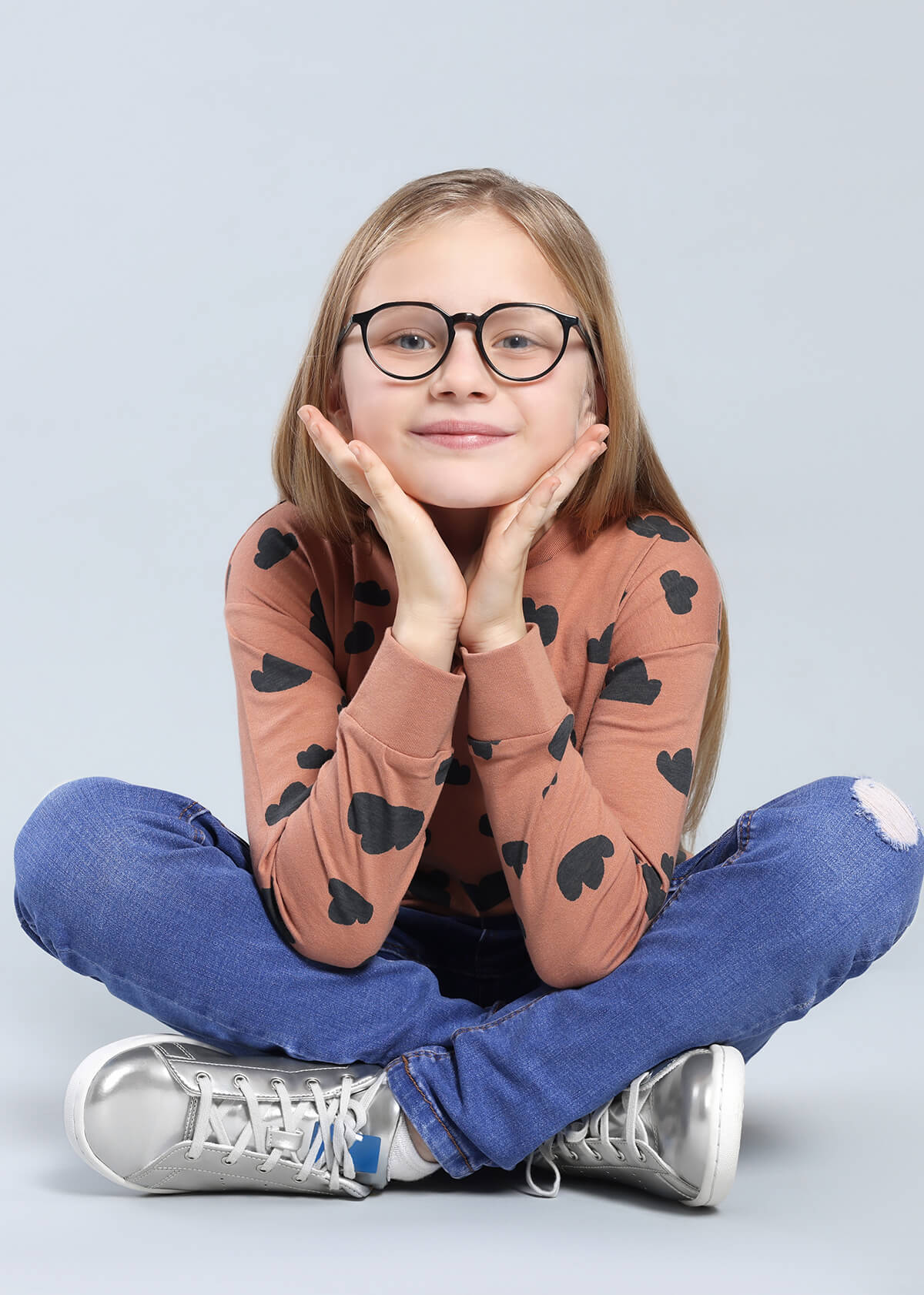
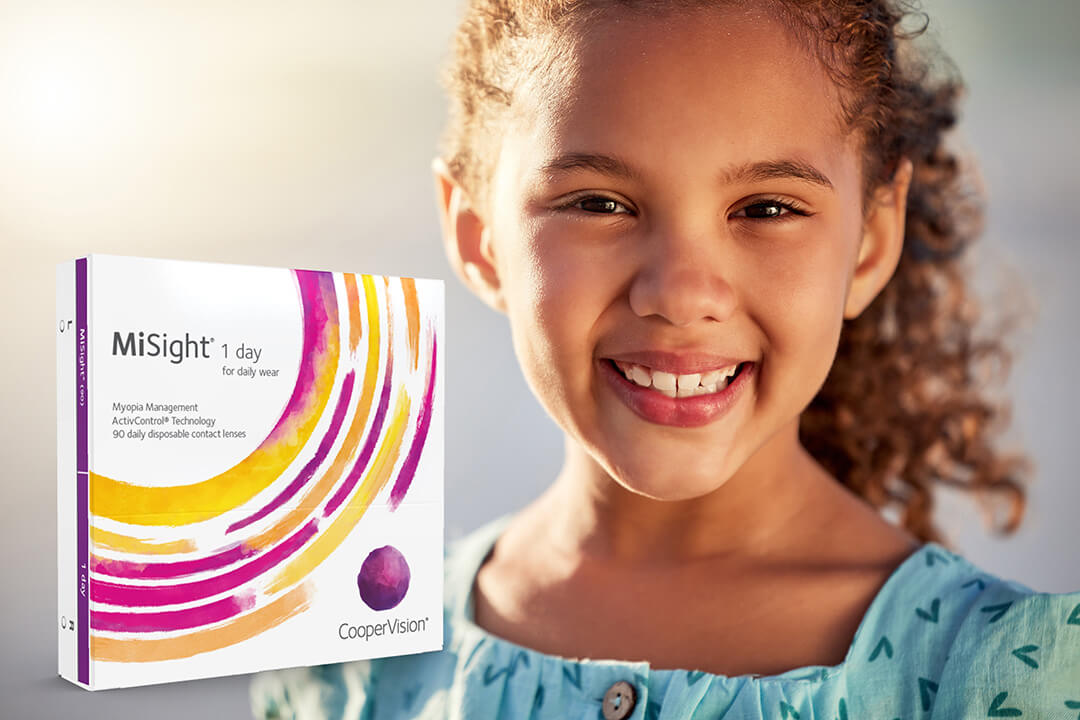

MiSight® 1 Day Contact Lenses for Children in Bethesda
MiSight® 1 day contact lenses from CooperVision are FDA-approved soft contact lenses designed to slow myopia progression in children who meet the prescribing criteria. Children who begin treatment between ages 8 and 12 can use them.
These lenses use ActivControl® technology, a dual-focus design that helps children see clearly while slowing the eye growth linked to worsening myopia.
Children use a fresh pair each day, with no overnight cleaning or storage. This can be convenient for school and sports, provided your child is ready to handle contact lenses and follow proper hygiene instructions.
Our Bethesda team checks lens fit, vision, and eye health during follow-up visits. We also track prescription changes and eye growth to assess progress.
Interested in MiSight® for your child? Schedule a consultation to see whether these lenses are right for their age, prescription, and eye health.
Stellest® Specialty Lenses
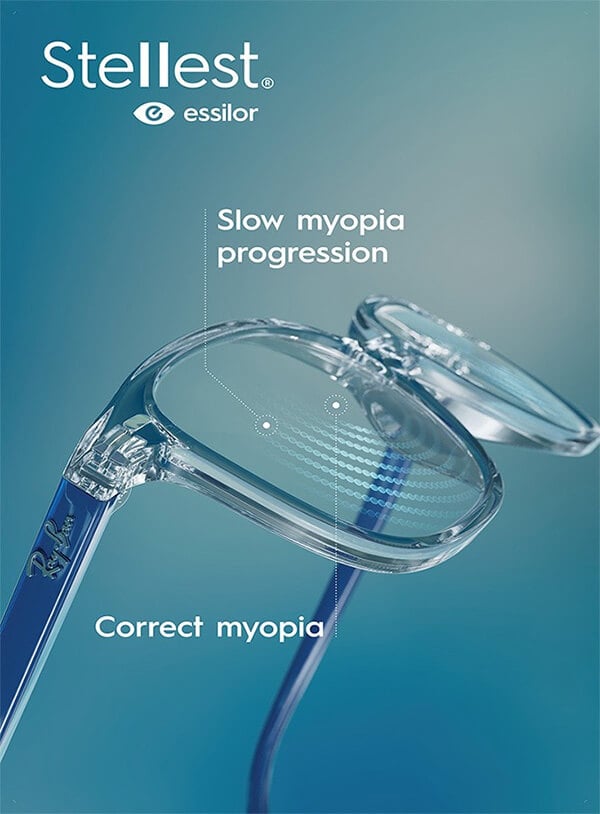
Stellest® lenses are designed for children who need glasses and may benefit from myopia management. They correct blurry distance vision while using specially arranged lenslets to help slow excessive eye growth.
Children wear Stellest® lenses during their prescribed daily activities, following their optometrist's instructions. For families who prefer a glasses-based treatment, they may provide a practical choice. Suitability depends on your child's age, prescription, and eye health.
At Treehouse Eyes in Bethesda, our optometrists monitor prescription changes and axial length during treatment. These measurements help us assess how your child's eyes are responding.
Myopia Management FAQ
Why Choose Treehouse Eyes for Myopia Management?
Children's eyes grow at different rates, so myopia treatment needs regular attention. At our Bethesda office, we use prescription checks and axial length measurements to see how your child's eyes are changing.
Our team helps families compare available treatments and understand the results of each visit. We consider your child's comfort, daily activities, and ability to follow the recommended plan.
As part of the Treehouse Eyes network, our Bethesda practice follows an established approach to childhood myopia management that combines treatment with ongoing monitoring.
How Effective Is Myopia Management for Children?
Research shows that several myopia-control treatments can slow worsening nearsightedness in children. Effectiveness varies by treatment and by child.
Our Bethesda team tracks prescription changes and eye growth to assess how your child responds to treatment. We use these measurements to understand your child's response to treatment and decide whether we need to make adjustments.

Is My Child at Risk of Myopia?
Can we prevent childhood myopia? Spending more time outdoors may help reduce the risk of developing nearsightedness, although it cannot guarantee prevention.
Children with one or both nearsighted parents have a higher risk. Long periods of close-up activity and limited outdoor time may also contribute.
Regular eye exams can identify myopia and track prescription changes. If your child is already nearsighted, treatment may help slow further progression.
Our free Myopia Risk Assessment can help you learn about common risk factors and decide when to seek an eye exam.
Visit Treehouse Eyes for Myopia Care in Bethesda
Treehouse Eyes welcomes families from Bethesda, Chevy Chase, Potomac, Rockville, and surrounding Maryland communities.
Our Bethesda office offers childhood myopia management, including specialty contact lenses, prescription eye drops, and myopia-control glasses.
Concerned about your child's changing prescription? Schedule a free consultation with our Bethesda team to discuss myopia treatment options and learn what an evaluation may involve.