

Childhood Myopia is Not a Myth
When myopia starts in toddlers and young children, early intervention is the only way to change the course of their eye health. Learn how Treehouse Eyes manages progression from the start.
The 'Early Start' Advantage:
Why Age Matters for Myopia in Children
In childhood myopia, timing matters. Studies published in 2025 highlight that the age of onset is the most pivotal factor. Children who develop myopia before age 8 have a significantly elevated risk of progressing to high myopia, making early intervention critical.
Why does this matter for your child? Because a young eye is still developing. When myopia in children starts this early, the eye has more years to "stretch" and elongate. Waiting even six months can result in a significant, permanent change in their ocular health. Intervention at this stage isn't just about clear vision; it’s about stopping the physical overgrowth of the eye.
Early Signs of Childhood Myopia
in Young Children
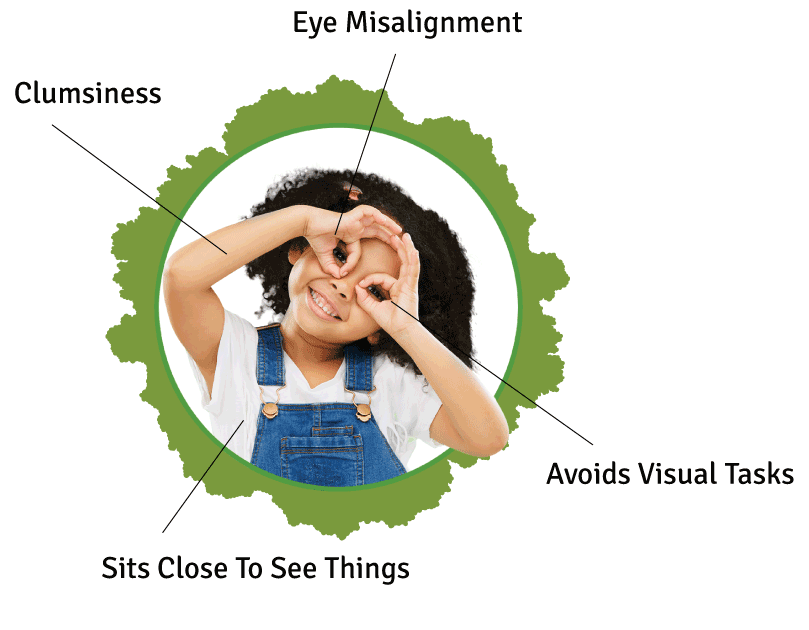
Young children won’t always say their vision is blurry. Instead, parents often notice changes in behavior.
How do I know if my child can't see? Look for:
- Clumsiness: Tripping over objects or difficulty navigating stairs
- Avoiding visual tasks: Lack of interest in puzzles or “search and find” activities
- Eye Misalignment: A slight "eye turn" (strabismus) can often be an early warning sign of myopia in kids.
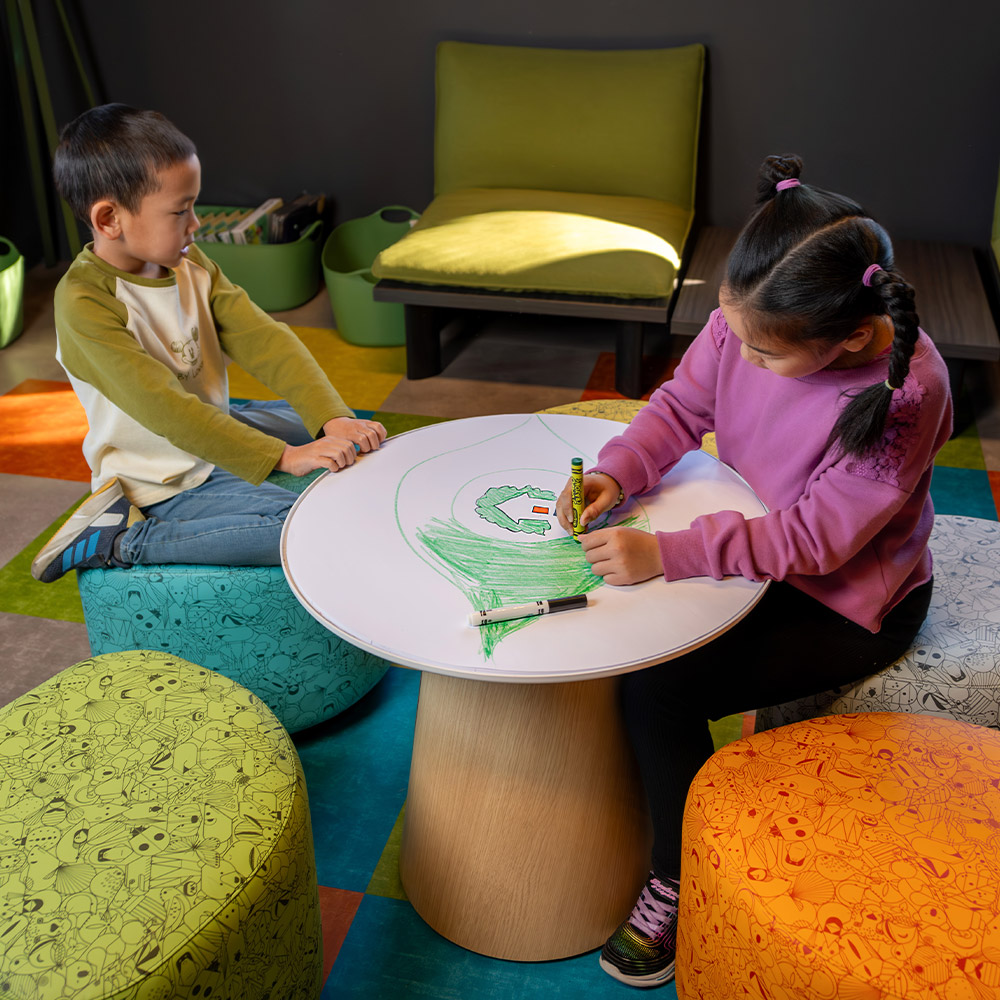
- Physical Proximity: Sitting inches away from the tablet or drawing with their nose nearly touching the paper.
Myopia Management versus Waiting It Out
The “wait and see” approach is outdated for a progressive eye disease.
The Myth: "They’ll grow out of it."
The Reality: Children do not grow out of myopia; they grow into it. Once it starts, myopia in kids almost always gets worse over time, regardless of when it begins. That’s why waiting is risky. Even mild myopia affects long-term eye health, and every increase in prescription makes it more serious. Early evaluation gives you the best chance to manage progression before it worsens.

Your Child’s First Myopia Treatment Visit
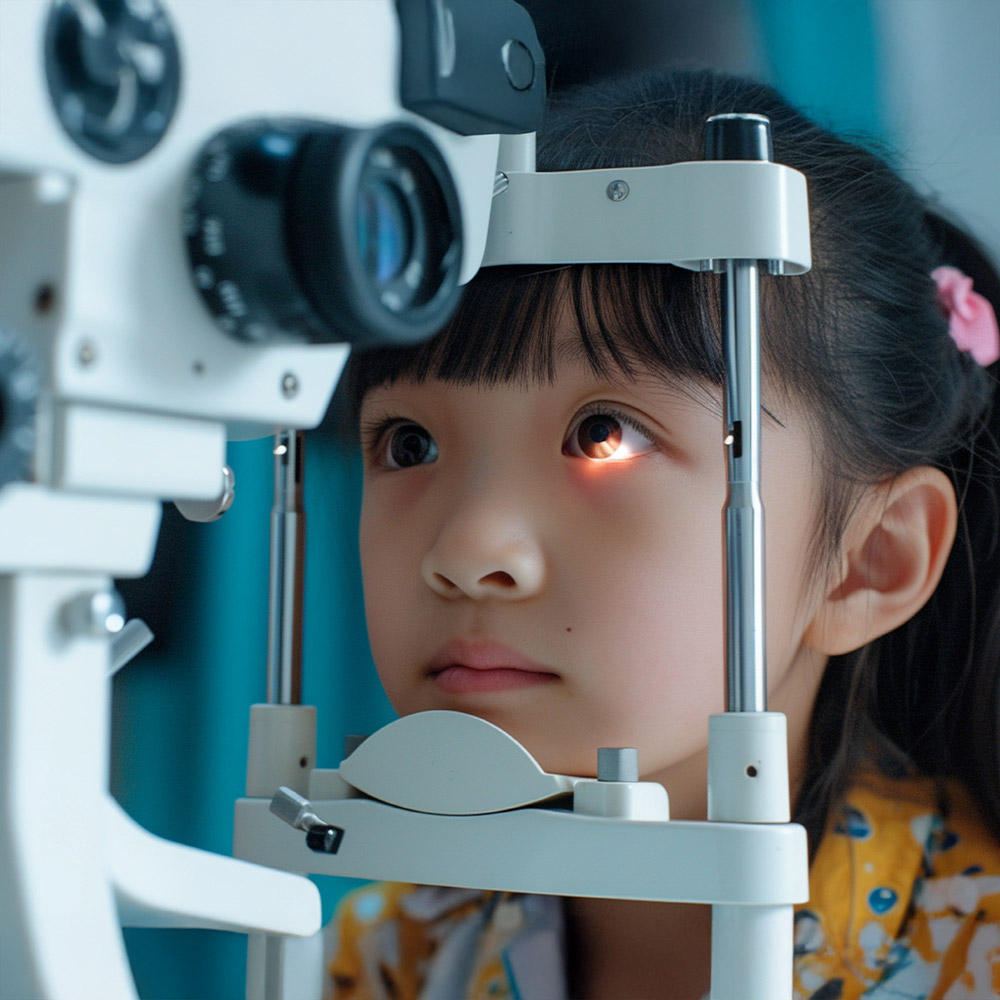
We understand that eye exams can feel stressful for young children. Treehouse Eyes focuses on making the experience simple and comfortable.
What to expect at a pediatric myopia treatment consultation?
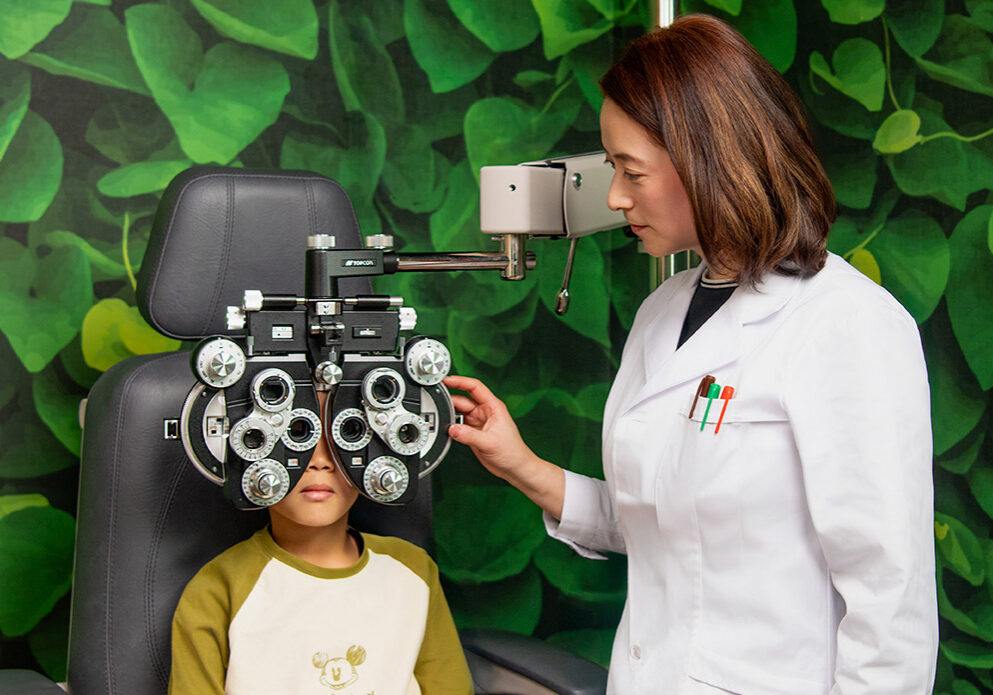
We use objective, non-invasive technology that doesn’t rely on your child’s verbal responses, including axial length tracking to measure the eyes’ growth over time. Our offices are also designed with children in mind, creating a comfortable, welcoming environment that helps your child feel at ease throughout the visit.
Gentle Treatments for Little Eyes
Is your child too young for contact lenses? Absolutely not. Many children are good candidates, and Treehouse Eyes doctors have experience prescribing them when appropriate.
For families who prefer non-contact options, there are also effective treatments available:
-
- Prescription Drops: A simple nightly drop that helps slow eye growth
- Lifestyle Guidance: Personalized plans to balance "near work" with the outdoor time essential for healthy eye development.
-
- Peripheral Defocus: Novel myopia spectacles use specialized lens technology to focus peripheral light in front of the retina to slow the progression of nearsightedness, primarily in children.
Frequently Asked Questions about Childhood Myopia