

Myopia Management in Newark, California
Helping kids see clearly now—while safeguarding lifelong eye health.
What Are the Signs that my Child May Have Myopia (Nearsightedness)?"
Is your child squinting at the classroom board, moving closer to the TV, or having trouble seeing clearly during sports?
Myopia, or nearsightedness, often begins in childhood and can worsen as the eyes grow. At Bella Eye Care in Newark, our team provides personalized, non-surgical myopia treatment that corrects blurry vision while helping slow myopia progression.
For families looking for myopia treatment in Newark, CA, understanding how your child's eyes are changing is an important first step toward choosing an appropriate management option.
Myopia Treatment: What Parents Should Know
What Is Myopia?
Myopia causes distant objects to look blurry while nearby objects usually remain clear. It most often develops when the eye grows too long from front to back, causing light to focus in front of the retina rather than directly on it.
Regular glasses or contact lenses correct blurry vision. So, what is myopia management? It goes beyond correcting blurry vision by also aiming to slow how quickly nearsightedness progresses while a child's eyes are still growing.
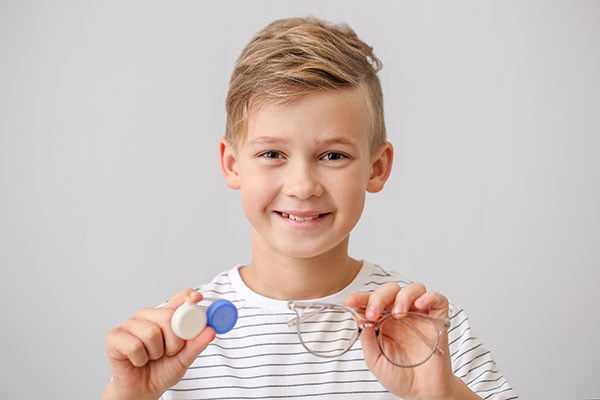

How Does Myopia Develop?
Myopia commonly begins during the school years and may continue progressing through childhood and adolescence. Genetics can affect a child's risk. Research has also associated childhood myopia with environmental factors such as prolonged near work and spending less time outdoors.
As myopia progresses, the eye may continue growing longer. Higher levels of myopia increase the lifetime risk of certain eye conditions, so regular monitoring matters.
Parents often ask when myopia management should start. The appropriate time depends on factors such as your child's age, prescription changes, eye growth, and individual risk, which an eye doctor can assess during a consultation.
At Bella Eye Care, myopia management options include:
- MiSight® 1 day contact lenses, which correct distance vision while helping slow myopia progression in eligible children
- Overnight orthokeratology, or ortho-k, lenses, which temporarily reshape the cornea during sleep and can help slow myopia progression
- Custom soft multifocal contact lenses worn during the day
- Low-dose atropine eye drops, which may help slow childhood myopia progression
- Stellest® lenses, myopia-control glasses that correct blurry distance vision while helping slow progression
The appropriate option depends on your child's prescription, age, eye measurements, eye health, daily routine, and comfort with glasses or contact lenses.
How Does Ortho-K Help Manage Myopia?
Orthokeratology, commonly called ortho-k, uses specially designed gas-permeable contact lenses that your child wears while sleeping. The lenses gently and temporarily reshape the cornea, the clear front surface of the eye.
After you remove the lenses in the morning, ortho-k can provide clear daytime vision without regular glasses or daytime contact lenses. It can also help slow the eye growth associated with childhood myopia.
Ortho-k does not permanently reshape the eye or cure myopia. Its vision-correcting effect depends on continued lens wear. Because children wear the lenses overnight, careful fitting, good hygiene, proper lens care, and regular follow-up visits are essential parts of treatment.
What About Low-Dose Atropine?
Parents searching for eye drops for myopia may encounter claims that drops can fix or reverse nearsightedness. Low-dose atropine does not work that way.
Atropine is a prescription eye drop that may help slow myopia progression in some children. In the United States, doctors use low-dose atropine off-label for childhood myopia management. The drops do not correct blurry distance vision, so a child may still need glasses or contact lenses.
Your child's eye doctor can determine whether low-dose atropine may be appropriate and explain how it could fit into a broader myopia management plan.

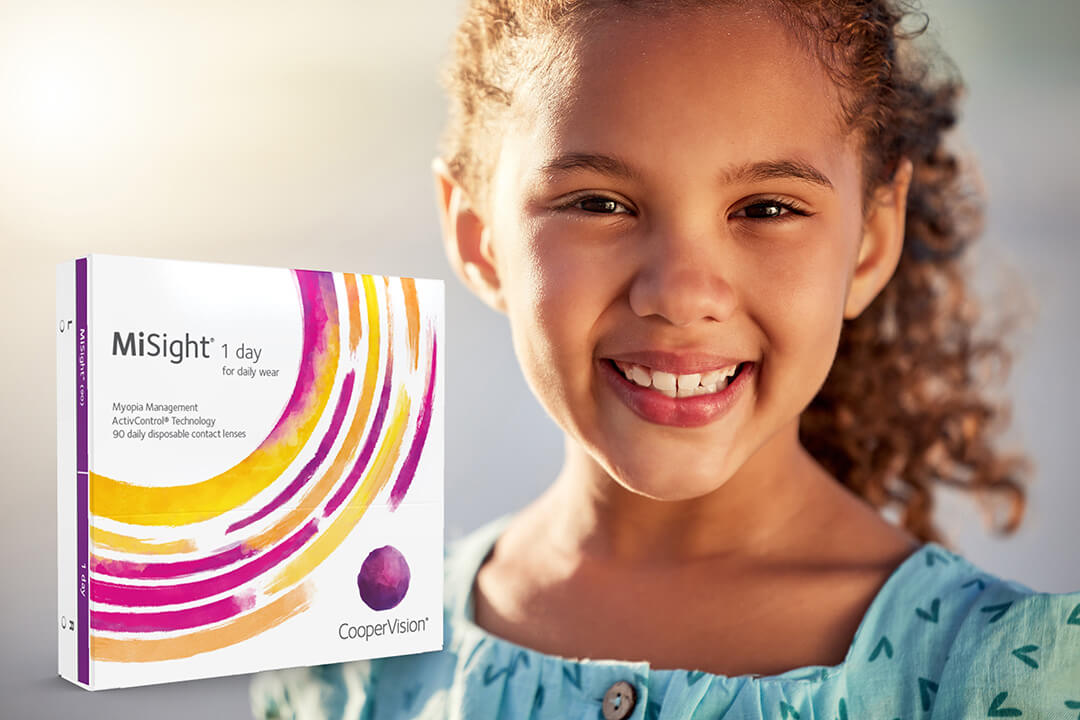

MiSight® 1 Day Contact Lenses in Newark
MiSight® 1 day by CooperVision® is a daily disposable soft contact lens developed for childhood myopia management. The lenses correct blurry distance vision while using ActivControl® technology to help slow myopia progression.
MiSight® 1 day is FDA-approved to slow myopia progression in children who meet its prescribing requirements and are ages 8 to 12 when treatment begins. Children discard each pair after one day of wear, so there are no lenses to clean or store overnight.
At Treehouse Eyes in Newark, MiSight® treatment forms part of an ongoing myopia management plan. Follow-up care allows the doctor to monitor your child's vision, prescription, eye health, and eye growth throughout treatment.
For children who are ready for daytime contact lenses, MiSight® may provide clear everyday vision while also helping manage the progression of their nearsightedness.
Stellest® Myopia Control Glasses
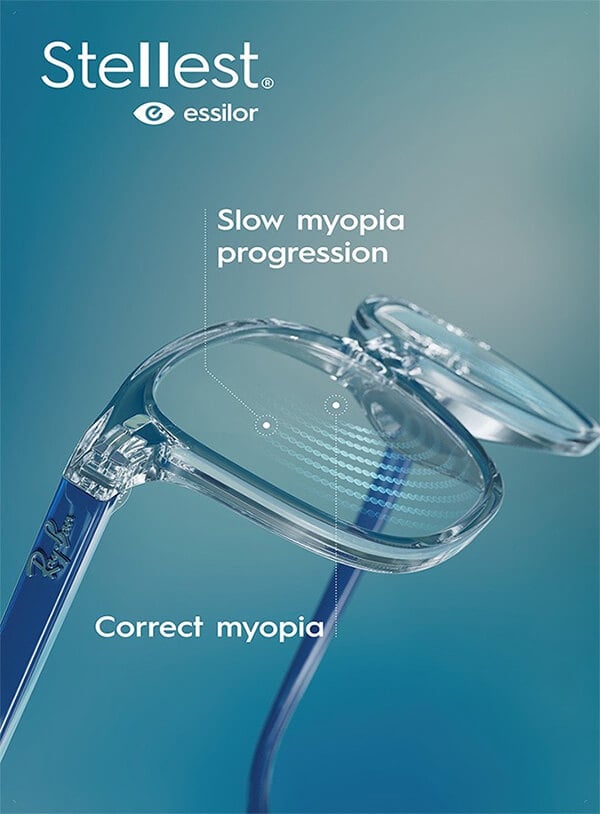
Some children and families prefer to begin myopia management with eyeglasses. Stellest® lenses offer a glasses-based option that corrects blurry distance vision while helping slow myopia progression.
Stellest® lenses are FDA-authorized in the United States for children ages 6 to 12 at the start of treatment. Their design combines a clear central viewing area with specially arranged lenslets that help manage the signals involved in eye growth.
For children who are not ready for contact lenses, myopia-control glasses can provide a familiar and practical treatment option. At Treehouse Eyes in Newark, we can incorporate Stellest® lenses into an ongoing plan that includes prescription checks and monitoring of eye growth.
Your child's doctor can explain how Stellest® lenses compare with MiSight® lenses, ortho-k, other myopia-control contact lenses, and low-dose atropine based on your child's individual needs.
Myopia Management for Children in Newark
Correcting today's blurry vision is only one part of caring for a child with progressive myopia. Myopia management in Newark, CA, also looks at how your child's prescription and eye growth change over time.
At Treehouse Eyes in Newark, treatment may include prescription eye drops, myopia-control contact lenses, overnight ortho-k lenses, or myopia-control glasses. The doctor can recommend an approach based on your child's prescription, eye measurements, eye health, and daily needs.
The team also uses axial-length technology to measure the eye from front to back. This gives the doctor another way to track physical eye growth alongside changes in your child's prescription.
Myopia management requires ongoing follow-up rather than a one-time prescription change. At these visits, the doctor can compare measurements, assess how your child's myopia is progressing, and adjust the plan when appropriate.
If your child's prescription keeps getting stronger, a myopia consultation can help you understand what is changing and which management options may be appropriate.

Opciones de tratamiento para el control de la miopía
En Bella Eye Care ofrecemos diferentes opciones para ayudar a controlar la progresión de la miopía en niños. Después de una evaluación completa, recomendaremos el tratamiento más adecuado según la edad, la graduación y las necesidades visuales de su hijo.
-
- Ortoqueratología (Ortho-K): Lentes de contacto especiales que se usan mientras el niño duerme para remodelar suavemente la córnea durante la noche. Al despertar, el niño puede disfrutar de una visión clara durante el día sin necesidad de usar anteojos ni lentes de contacto. Bella Eye Care ofrece Abiliti®, el primer lente nocturno aprobado por la FDA específicamente para el control de la progresión de la miopía.
- Lentes de contacto blandos diarios: MiSight® 1 day es el primer lente de contacto diario aprobado por la FDA para ayudar a retrasar la progresión de la miopía en niños de entre 8 y 12 años al inicio del tratamiento, proporcionando una visión clara mientras ayuda a controlar el avance de la condición.
- Anteojos especializados para el control de la miopía: Lentes como MiYOSMART, Stellest y SightGlass Vision están diseñados para ayudar a reducir la progresión de la miopía sin comprometer la calidad visual. Aunque cuentan con respaldo clínico y se utilizan en varios países, actualmente no están aprobados por la FDA en Estados Unidos.
- Gotas de atropina en baja concentración: En algunos casos, las gotas de atropina de baja dosis pueden ayudar a ralentizar la progresión de la miopía al disminuir el esfuerzo de enfoque del ojo. Si bien diversos estudios respaldan su eficacia, este tratamiento aún no cuenta con la aprobación de la FDA para el control de la miopía en Estados Unidos.
What Treehouse Eyes Reports About Its Program
No myopia management option can guarantee that a child's prescription or eye growth will stop changing. Results vary by child and treatment.
Treehouse Eyes reports that about 78% of children in its clinical program experienced no measurable myopia progression during their first year of treatment. This network-level result does not predict how an individual child will respond.
What matters most for your child is how their own prescription and eye growth change over time. Regular follow-up visits allow the doctor to assess those changes and determine whether the current management plan remains appropriate.
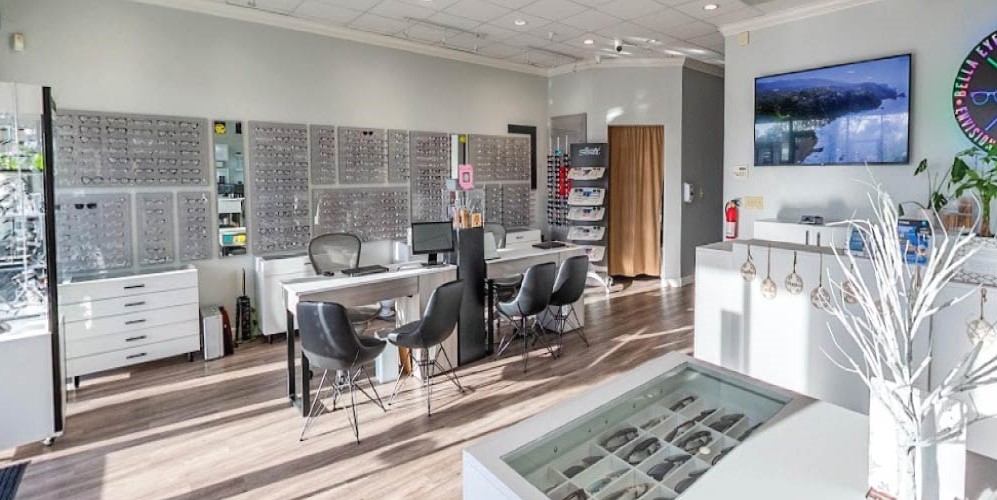
Myopia Management at Bella Eye Care
Families in Newark, Fremont, Union City, and the greater Tri-City area can turn to Bella Eye Care for ongoing childhood myopia management. If you are looking for a myopia doctor in Newark, CA, Bella Eye Care provides pediatric-focused care that tracks changes in your child's vision and eye growth over time.
As a Treehouse Eyes provider, Bella Eye Care takes an active approach to progressing myopia. Rather than only updating vision correction when a prescription becomes stronger, the team also monitors how your child's nearsightedness and eye growth are changing.
For parents, that means clearer information about what is happening over time and when continuing or adjusting treatment may be appropriate.
What Our Patients Say:


Is My Child at Risk of Myopia?
Could the vision changes you are noticing be related to myopia?
The Myopia Risk Assessment can help you review factors associated with childhood myopia and prepare useful questions to discuss with your child's eye doctor.
Myopia Care for Newark Families
Bella Eye Care serves families in Newark, Fremont, Union City, and the greater Tri-City area with pediatric-focused eye care and childhood myopia management.
If your child is struggling to see the classroom board, their prescription keeps getting stronger, or you are concerned about their risk of myopia, a consultation can help give you clearer answers. The team can evaluate how your child's eyes are changing, explain the available options, and recommend treatments that may help slow myopia progression as they grow.
